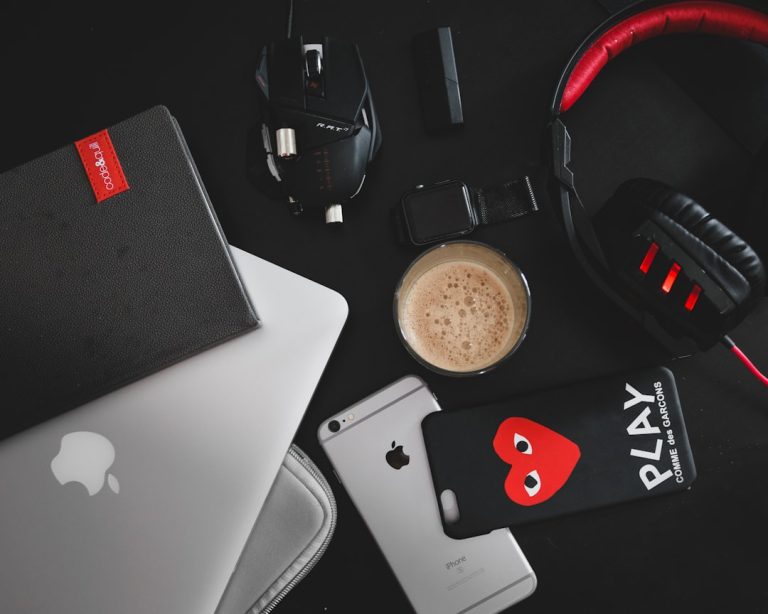
Apple’s New Device Leasing Program: Is Renting an iPhone Better Than Buying.
As hardware prices climb and upgrade cycles shorten, Apple’s shift from ownership to access changes the math for every enthusiast.
Have you ever looked at the sticker price of a new iPhone Pro and felt that immediate pang of buyer’s remorse.
We are seeing a massive shift in how we interact with technology.
Apple’s New Device Leasing Program: Is Renting an iPhone Better Than Buying?As hardware prices climb and upgrade cycles shorten, Apple’s shift from ownership to access changes the math for every enthusiast.Have you ever looked at the sticker price of a new iPhone Pro and felt that immediate pang of buyer’s remorse?It’s becoming a common feeling.We are seeing a massive shift in how we interact with technology.Instead of owning a piece of hardware for five years, many people are moving toward a “Device-as-a-Service” model.This is where apples device leasing comes into play, offering a way to always have the latest tech without the massive upfront sting.But is it actually a good deal, or are you just paying a “convenience tax” to stay in the Apple ecosystem?This guide breaks down the hidden costs and benefits of the new leasing model so you can decide what makes sense for your wallet.
How the Leasing Lifecycle Works
Leasing isn’t just a fancy word for renting.When you enter into an apples device leasing agreement, you are essentially paying for the right to use the hardware for a set period.It’s a structured commitment that differs significantly from a standard loan.The process usually starts with a credit check and a selection of your preferred device.Once approved, you receive your device and start making monthly payments.These payments are typically lower than what you’d pay on a standard credit card or a high-interest loan.
The Step-by-Step Journey
First, you sign a contract that outlines exactly how long you will have the device.This is usually between 12 and 24 months.During this time, you have the device, but you don’t actually own it.Next, comes the maintenance phase.You use the phone, you enjoy the features, and you make your payments.However, you have to be careful.Unlike a phone you own outright, you have to treat this device with a certain level of respect to avoid fees later.Finally, when the term ends, you face a choice.You can return the device to Apple, or in some specific leasing structures, you might have the option to buy it out at a residual value.If you choose to return it, you simply hand it back and start a new lease on the next shiny model.
The Math: Leasing vs.Financing vs.Outright Purchase
It is easy to get lost in the marketing jargon, so let’s look at the cold, hard numbers.To understand if apples device leasing is right for you, you have to compare it against the two other main ways to get an iPhone.Outright purchase is the “old school” way.You pay $1,100 upfront, and the phone is yours.You have full equity, and you can sell it on eBay whenever you want.Financing, like Apple Card Monthly Installments, is essentially a loan.You are buying the phone, but paying for it in chunks.Leasing is the middle ground that feels like a subscription.Here is how the costs generally stack up:
Upfront Cost: Outright purchase is the highest.Financing is low.Leasing is very low.
Ownership: Outright and Financing give you ownership.Leasing does not.
Monthly Payment: Outright is zero (after the big check).Financing is moderate.Leasing is the lowest.
End-of-term: You keep it.You keep it.You return it.
Have you ever sat down with a spreadsheet to calculate your tech spend?If you do, you’ll notice that while leasing keeps your monthly cash flow steady, the “total cost” over several years might actually be higher because you never stop paying.
Pros and Cons of the Leasing Model
No financial product is perfect.There is always a trade-off between flexibility and equity.If you decide to go the leasing route, you need to be aware of what you are gaining and what you are giving up.
The Benefits of Staying Flexible
The biggest pro is clearly the low barrier to entry.If you want the latest iPhone 15 Pro but don’t want to drop a thousand dollars today, leasing is your best friend.It keeps your monthly budget predictable.Another huge plus is the ability to upgrade.Since you aren’t tied to a device for a decade, you can cycle through the latest hardware every two years without the hassle of selling your old phone on the secondary market.You just hand one back and take a new one.
The Hidden Risks and Drawbacks
The most obvious downside is the lack of equity.When you finish your lease, you have nothing to show for your money but a receipt.You can’t sell that phone to fund your next purchase because it isn’t yours.There are also strict return conditions.According to consumer protection standards often highlighted by Consumer Reports, lease agreements can be quite picky about the condition of the returned item.A cracked screen or a heavily degraded battery could result in unexpected charges.
Is This the Right Move for You?
So, who should actually be using apples device leasing?It isn’t a one-size-fits-all solution.It depends entirely on your lifestyle and how much you value the “latest and greatest.”
If you are a tech enthusiast who needs the absolute best camera or processor every single year, leasing is a dream.It removes the friction of selling old hardware and keeps you on the cutting edge.You pay for the service of always having the best tool in your pocket.On the other hand, if you are a “buy it and use it until it dies” type of person, leasing will feel like a money pit.If you tend to keep your phones for four or five years, you are much better off buying the device outright or using a standard financing plan.
Common Mistakes to Avoid
Even savvy users fall into traps.One major mistake is confusing leasing with Apple Card Monthly Installments.People often think they are the same, but they aren’t.One is a loan where you own the phone from day one.The other is a rental where you are just borrowing the hardware.Another pitfall is ignoring the “end-of-lease” requirements.It sounds simple, but many people forget that a “good condition” requirement is subjective.If you’ve been using your phone without a case, you might be in for a surprise when it comes time to return it.As noted by market analysts at the Bloomberg, the move toward subscription-based hardware is a way for companies to ensure a steady, recurring stream of revenue.They aren’t just selling you a phone; they are selling you a continuous relationship.
Do I own the device at the end of the lease?
No, the device must be returned to Apple in good condition.You do not gain ownership through the monthly payments.
What happens if I damage the device during the lease?
You may be liable for repair costs or penalties depending on your specific agreement.Always check your contract for coverage details.
Is leasing better than financing?
Leasing is better if you want the lowest possible monthly payment and want to upgrade frequently.Financing is better if you want to eventually own the device outright.