The Apple Home Hub Dilemma: Is a New Smart Home Controller Finally Coming.
While competitors like Amazon and Google have flooded the market with affordable smart displays, Apple’s smart home presence remains strangely stagnant.
As Matter and Thread become industry standards, the question isn’t if Apple will refresh its hardware, but whether they can catch up before they lose the market share entirely.
You might find yourself stuck in a frustrating apple home dilemma where your gear is top-tier, but the interface feels stuck in the previous decade.
The Apple Home Hub Dilemma: Is a New Smart Home Controller Finally Coming?
While competitors like Amazon and Google have flooded the market with affordable smart displays, Apple’s smart home presence remains strangely stagnant.
As Matter and Thread become industry standards, the question isn’t if Apple will refresh its hardware, but whether they can catch up before they lose the market share entirely.
You might find yourself stuck in a frustrating apple home dilemma where your gear is top-tier, but the interface feels stuck in the previous decade.
If you’ve spent a few hundred dollars on HomeKit-enabled bulbs and locks, you know the feeling.
You want a central command center, something that sits on your kitchen counter and shows you exactly who is at the front door.
Yet, for now, you’re left choosing between a high-end Apple TV or a HomePod that might not fit your aesthetic.
The Current State of Apple Home
Right now, your options for a central hub are somewhat limited.
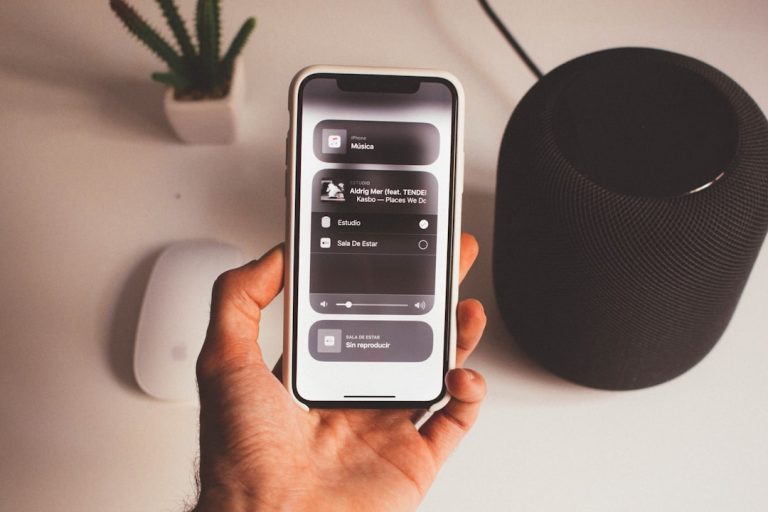
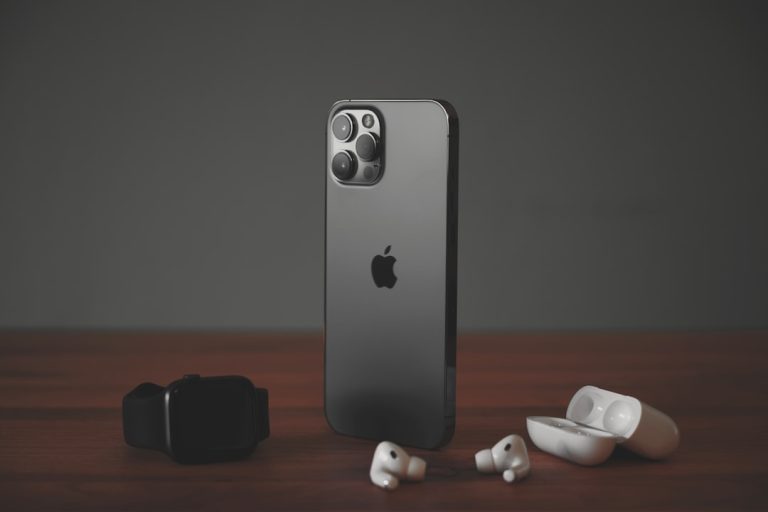
You can use an Apple TV 4K as a brain for your house, or you can rely on a HomePod or HomePod Mini.
These devices do the heavy lifting behind the scenes, keeping your automation routines running even when you aren’t home.
The problem isn’t that these devices are bad.
In fact, they are incredibly reliable.
However, they lack a visual interface.
Most of your control happens through the Home app on your iPhone or via Siri.
Have you ever wished you could just tap a screen on your nightstand to dim the lights without reaching for your phone?
The Role of the Apple TV and HomePod
The Apple TV 4K is arguably the most powerful hub in the lineup.
It handles the complex logic required to keep your sensors talking to your lights.
It’s a powerhouse, but it’s tucked away behind your television, hidden from view.
It isn’t a “controller” in the way most people think of one.
Then we have the HomePod.
The HomePod Mini is a fantastic little device for audio and basic control, but it lacks a screen.
It’s a voice-first experience.
For many users, this creates a significant apple home dilemma because they want a hybrid experience—one that combines the reliability of Siri with the visual ease of a dashboard.
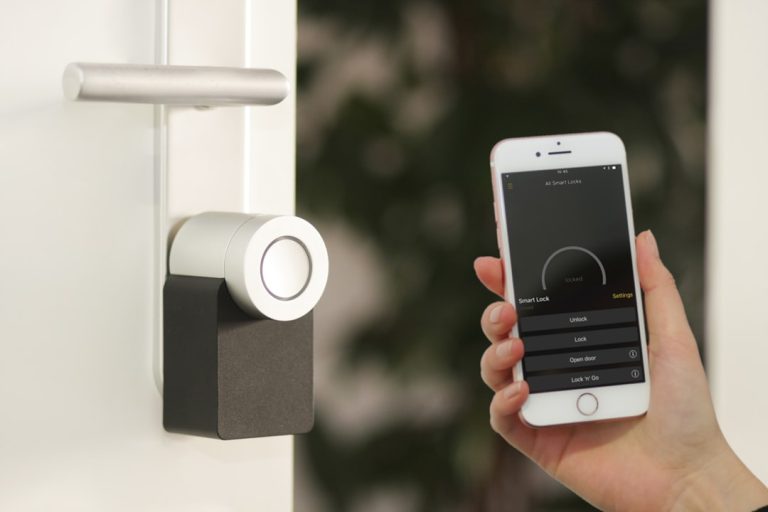
– ALT Text: A minimalist smart home environment demonstrating Apple HomeKit integration.
The Matter and Thread Revolution
The landscape of the smart home is shifting beneath our feet.
For years, the biggest headache was “compatibility.” You bought a lightbulb, only to realize it worked with Alexa but not HomeKit.
That era is finally dying thanks to Matter and Thread.
Matter is a new universal standard that allows different smart home brands to talk to each other.
It’s like a common language for your gadgets.
Thread, on the other hand, is a low-power mesh networking protocol that makes these connections faster and more reliable.
How New Protocols Change the Game
Because Matter is becoming the industry standard, the necessity for a specialized, proprietary hub is changing.
You no longer need a specific “bridge” for every single brand of smart plug.
This is great news for users, but it also puts pressure on Apple.
If anyone can build a Matter-compatible device, why would you buy expensive Apple-branded hardware?
This is where the apple home dilemma hits a boiling point.
Apple must provide a reason to stay within their ecosystem, and that reason can’t just be “it works.” It has to be “it works better and looks better.”
The Speculation: What a New Home Hub Might Look Like
So, what is Apple actually cooking up?
Rumors from sources like MacRumors suggest that Apple has been exploring various hardware iterations for years.
We aren’t just talking about a simple refresh; we’re talking about a potential new category of device.
Imagine a device that sits on your counter.
It’s not quite a tablet, but it’s more than a speaker.
It could be a dedicated smart display designed specifically for the Home app.
It would likely feature a high-resolution Retina display and incredibly responsive touch controls.
Integration and Design Language
A new hub wouldn’t just be a screen for your lights.
It would likely integrate deeply with your Apple ecosystem.
We could see it acting as a high-fidelity smart speaker, a digital photo frame using your iCloud library, and a security monitor for your HomeKit cameras.
The design would almost certainly follow Apple’s minimalist aesthetic.
Think brushed aluminum, rounded edges, and a screen that fades into a beautiful ambient mode when not in use.
If Apple wants to solve the apple home dilemma, they need to move away from “invisible” hubs and toward “visible” interaction points.
– ALT Text: A conceptual Apple smart display showing the Home app interface.
The Ecosystem Problem: Barriers to Entry
Let’s be honest: Apple is expensive.
While Amazon and Google offer entry-level Echo and Nest devices for a fraction of the cost, Apple’s entry price is a significant barrier.
To get a fully functional, modern HomeKit setup, you often need to invest in multiple HomePods or an Apple TV 4K.
This pricing structure creates a high wall for new users.
If a beginner is setting up their first smart home, they aren’t going to start with a $150 hub.
They’ll go with the brand that offers a $30 starter kit.
This is a strategic vulnerability that Apple cannot ignore if they want to dominate the smart home market.
Future Outlook: The Next 24 Months
Looking ahead, the next two years will be defining for the Apple Home ecosystem.
We are watching a tug-of-war between the ease of Matter-enabled third-party devices and the premium experience of Apple’s own hardware.
I suspect we will see a hardware refresh soon.
Whether it’s a new HomePod with a screen or a dedicated “Home Display,” Apple needs to provide a visual way to interact with the Home app.
According to reports from The Verge, the shift toward Matter is forcing every major player to rethink their hardware strategy.
If Apple successfully launches a dedicated controller, they could reclaim their position as the gold standard for smart homes.
If they continue to rely on “hidden” hubs like the Apple TV, they risk becoming a niche player for enthusiasts rather than a leader for the masses.
– ALT Text: A user interacting with the Apple Home app to manage smart home devices.
Can I use my current gear?
Yes, you can still use your existing devices.
As long as your Apple TV or HomePod supports the necessary protocols, you are good to go.
Just ensure your firmware is updated to the latest version to ensure Matter compatibility.
Is Matter necessary for my setup?
Matter is not strictly required if you only use HomeKit-certified devices, but it is highly recommended.
It provides much better interoperability with other brands, making your smart home more flexible and future-proof.
Will a new hub solve my connectivity issues?
A new hub might help if your current hub is outdated or lacks Thread support.
However, most modern connectivity issues are actually caused by poor Wi-Fi coverage or outdated device firmware rather than the hub itself.