Table of Contents
- Key Takeaways
- From Shadow to Spotlight: How WIPO is Redefining Intellectual Property for the Informal Economy
- The WIPO Context: Evolution of the Development Agenda
- Key Challenges: Barriers to IP Protection
- Strategic Shifts: How WIPO is Bridging the Gap
- Case Studies: Real-World Impact
- The Future: AI, Digital Marketplaces, and Informal IP Rights
- Why does the informal economy matter for IP policy?
- How does WIPO assist developing nations in this transition?
- Can digital platforms solve IP issues for small creators?
Key Takeaways
- From Shadow to Spotlight: How WIPO is Redefining Intellectual Property for the Informal Economy
As digital platforms democratize creation, the ‘informal’ economy is no longer just a survival mechanism—it is a powerhouse of untapped innovation. - If global IP systems fail to adapt, we risk leaving millions of creators behind in the digital age.
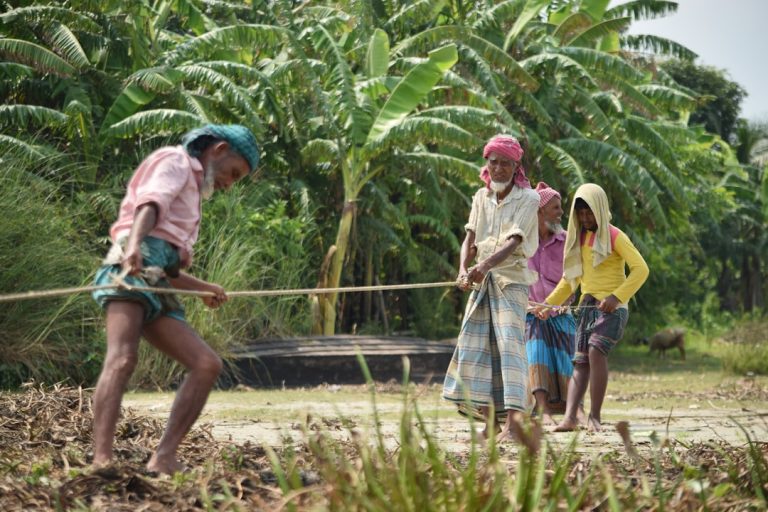
- We often think of innovation as something happening in high-tech labs or sleek corporate offices, but for much of the world, it happens in local markets, small workshops, and community hubs.
- This is where the shadow spotlight wipo is starting to shine, bringing visibility to a massive, overlooked segment of the global economy.
From Shadow to Spotlight: How WIPO is Redefining Intellectual Property for the Informal Economy
As digital platforms democratize creation, the ‘informal’ economy is no longer just a survival mechanism—it is a powerhouse of untapped innovation.
If global IP systems fail to adapt, we risk leaving millions of creators behind in the digital age.
We often think of innovation as something happening in high-tech labs or sleek corporate offices, but for much of the world, it happens in local markets, small workshops, and community hubs.
This is where the shadow spotlight wipo is starting to shine, bringing visibility to a massive, overlooked segment of the global economy.
The informal economy isn’t about illegal activity.
Instead, it refers to the vast array of economic activities that aren’t officially registered or taxed.
For many people in developing nations, this isn’t a choice; it’s the primary way to make a living.
These individuals are the backbone of local supply chains and cultural heritage.
Yet, when it comes to intellectual property, they often exist in a vacuum.
The WIPO Context: Evolution of the Development Agenda
For a long time, intellectual property was viewed through a very narrow lens.
The focus was largely on protecting large corporations and ensuring that international patent laws were strictly enforced.
This traditional approach often felt disconnected from the realities of entrepreneurs in the Global South.
However, the landscape began to shift significantly with the adoption of the WIPO Development Agenda.
The WIPO Development Agenda changed the conversation.
It moved the needle from a one-size-fits-all approach to a more inclusive framework.
Instead of just asking how to enforce laws, the focus shifted to how IP could actually drive development.
It’s a subtle but profound difference.
We aren’t just talking about protection anymore; we are talking about empowerment.

By prioritizing the needs of developing countries, WIPO has started to recognize that a patent or a trademark isn’t just a legal document.
It is a tool for economic growth.
When we integrate informal actors into these frameworks, we aren’t just giving them a title; we are giving them a seat at the global economic table.
Key Challenges: Barriers to IP Protection
Why haven’t these creators jumped into the IP system already?
It isn’t for lack of trying.
If you walk through any bustling market in Southeast Asia or Sub-Saharan Africa, you’ll see incredible ingenuity.
You’ll see unique textile patterns, specialized agricultural tools, and inventive food recipes.
But these creators face massive hurdles.
The Cost of Entry
The first hurdle is almost always money.
Filing a patent or a trademark requires significant upfront costs.
For a small-scale artisan, these fees can represent months of income.
It’s a daunting barrier that makes formal protection feel like a luxury rather than a right.
Complexity and Legal Identity
Then there is the sheer complexity of the legal landscape.
IP law is dense.
It requires specific technical language and a deep understanding of legal procedures.
Most informal actors simply don’t have access to specialized legal counsel. many of these entrepreneurs lack a formal legal identity.
Without a registered business or a formal tax ID, entering the formal IP system feels like trying to join a club where you don’t even have a membership card.
Have you ever wondered how much potential is lost simply because a creator couldn’t navigate a government website?
The answer is likely astronomical.
Strategic Shifts: How WIPO is Bridging the Gap
This is where the shadow spotlight wipo becomes most relevant.
WIPO has realized that to be truly effective, the IP system must be accessible.
This isn’t just about making laws easier to read; it’s about structural changes in how technical assistance is delivered.
Technical Assistance and Capacity Building
WIPO works closely with national IP offices to build local capacity.
This means training local officials to understand the nuances of informal markets.
It also involves creating programs that help small-scale innovators understand what their assets are.
Once a creator realizes that their unique weaving pattern is actually a valuable piece of intellectual property, their entire business outlook changes.

Simplified Procedures and Digital Tools
We are also seeing a push toward simplification.
This includes streamlining the application processes for trademarks and geographical indications.
Geographical indications (GIs) are particularly vital here.
They allow communities to protect products that are tied to a specific location, like a certain type of coffee or cheese.
This provides a collective form of protection that is much more accessible to informal groups than individual patents.
Case Studies: Real-World Impact
It’s easy to talk about policy, but the real magic happens on the ground.
We are seeing more and more instances where IP-adjacent tools are changing lives.
Consider a community of traditional weavers in a rural region.
By using collective marks, they can certify the authenticity of their work.
This prevents cheap imitations from flooding their market and allows them to command a higher price from international buyers.
Another example can be found in the agricultural sector.
Small-scale farmers often develop unique seed varieties or specialized irrigation techniques.
Through WIPO’s technical assistance, these communities can better navigate the intersection of traditional knowledge and modern IP law.
This ensures that their innovations aren’t just “borrowed” by large corporations, but are instead used to bolster the community’s economic standing.
The Future: AI, Digital Marketplaces, and Informal IP Rights
As we look ahead, the intersection of technology and the informal economy will only grow more complex.
We are entering an era where a creator in a remote village can sell their work to a buyer in New York via a digital marketplace.
This is a massive opportunity, but it also brings new risks.
How do we enforce IP rights when the marketplace is a decentralized digital platform?
This is the next great challenge for the global IP community.
Artificial Intelligence is already changing how content is created and how it is protected.
We might see AI-driven tools that help informal creators automatically register their works or detect infringements in real-time.

The goal is to ensure that the digital revolution doesn’t become a new way to exclude people.
Instead, it should be the bridge that finally brings the informal economy into the light.
We need frameworks that are as agile as the innovators they aim to protect.
Why does the informal economy matter for IP policy?
Informal innovators contribute significantly to global GDP and cultural heritage, yet they often lack the legal protection needed to secure their assets.
How does WIPO assist developing nations in this transition?
WIPO provides capacity building, technical assistance, and helps create flexible IP frameworks that accommodate non-traditional creators.
Can digital platforms solve IP issues for small creators?
Not automatically.
While they provide access to markets, they also create new enforcement challenges that require robust legal and technical support.