

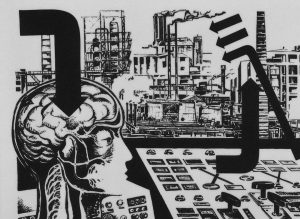
Manufacturing leaders pour millions into robots and AI, yet many transformations still fail. The culprit isn’t the technology—it’s the people. Here’s why ignoring the human factor guarantees your digital upgrade will underperform, and what actually drives results in Industry 4.0.
The human factor in industrial transformation means prioritizing employee engagement, psychological safety, and continuous training over technology alone. Success in Industry 4.0 requires addressing fears about automation, bridging the digital skills gap, and creating cultures where workers feel empowered by new tools rather than threatened by them.Modern factories are packed with robots and AI, but the real secret to industrial transformation isn’t in the tech—it’s in the people. This article reveals how leadership, training, and employee engagement drive success in Industry 4.0, and why ignoring the human factor guarantees failure.
Industrial transformation success hinges on the human factor. While technology like AI and automation is critical, leaders must prioritize employee engagement, psychological safety, and continuous training to bridge skills gaps and ensure digital tools enhance—not replace—human potential in Industry 4.0 environments.Table of Contents
- Key Takeaways
- Understanding the Human Factor in Industry
- The Role of Leadership in Transformation
- Employee Engagement: The Heart of Change
- Training and Development for a New Era
- Case Studies: Successes Driven by People
- Challenges of Ignoring the Human Element
- Future Trends: Balancing Tech and Humanity
- Conclusion
Key Takeaways
- The modern factory floor looks nothing like it did a decade ago.
- You see sleek robotic arms, high-speed data streams, and automated assembly lines that seem to operate with perfect precision.
- While many leaders focus solely on hardware and software, the true secret to success lies elsewhere.
- Unlocking industrial transformation requires more than just a massive budget for new technology; it requires a deep focus on the people operating it.

Understanding the Human Factor in Industry
When we talk about Industry 4.0, we often focus on sensors, cloud computing, and artificial intelligence. However, these technologies do not operate in a vacuum. They exist within a social ecosystem of workers, managers, and stakeholders. The human factor industrial transformation concept suggests that technology is merely an enabler of human potential. The most successful digital transitions occur when workers feel empowered by their tools rather than threatened by them. For example, an augmented reality headset can help a technician repair a machine faster. However, if that technician fears the headset is there to monitor their every move, they will resist using it.The psychological impact of automation
Automation often triggers a natural fear of obsolescence. When employees see machines performing tasks they once did, their primary instinct is often self-preservation. This psychological barrier can stall even the most well-funded digital initiatives. You must address these fears head-on by reframing the narrative. Instead of focusing on replacement, focus on augmentation. Show your team how new tools can remove the most dangerous, repetitive, or boring parts of their jobs.Bridging the skills gap
As processes become more digital, the skills required to manage them change. We are seeing a massive shift from manual dexterity to digital literacy. This shift creates a gap that can only be bridged through intentional human-centric planning.The Role of Leadership in Transformation
Leadership sets the tone for every major organizational change. If executives treat a digital rollout as a “check the box” exercise, the rest of the company will follow that lead. Unlocking industrial transformation starts in the boardroom, not on the assembly line. Leaders must communicate a clear vision that includes people. It is not enough to say, “We are installing new software to increase efficiency.” You must say, “We are implementing this software to help you make better decisions and reduce errors.”Creating a culture of psychological safety
For innovation to thrive, employees must feel safe to fail. In a highly automated environment, a mistake can sometimes feel more visible or costly. Leaders must foster an environment where workers feel comfortable reporting errors or suggesting improvements to new digital workflows.Leading by example with data
When leaders use data to support their staff rather than to punish them, trust grows. If a dashboard shows a drop in production, a great leader asks, “What tools do you need to fix this?” instead of “Who is responsible for this drop?”
Employee Engagement: The Heart of Change
Engagement is the difference between a workforce that merely complies and a workforce that innovates. When employees are engaged, they look for ways to optimize the very systems you have worked so hard to implement.Bottom-up innovation
Some of the best ideas for process improvement come from the people closest to the machines. These workers see the friction points and the inefficiencies that a high-level data dashboard might miss. By engaging them, you tap into a goldmine of practical intelligence.Incentivizing digital adoption
It is helpful to reward the behaviors you want to see. If you want your team to embrace new data-driven workflows, recognize and reward those who use them effectively. This reinforces the idea that technology is a partner in their success.Training and Development for a New Era
You cannot expect workers to master complex new systems without comprehensive training. Traditional one-off training sessions are rarely enough for the pace of modern industrial change. Instead, you need continuous learning models.Micro-learning and on-the-job support
Modern workers benefit from “just-in-time” learning. This means having digital tutorials or quick-reference guides available at the exact moment they are needed on the floor. This reduces frustration and builds confidence in real-time.Upskilling and reskilling programs
Reskilling is the process of teaching an employee an entirely new skill set. Upskilling is about enhancing their existing capabilities. Both are vital for unlocking industrial transformation. As machines take over repetitive tasks, your people must move into roles involving system oversight, data analysis, and complex problem-solving.
Case Studies: Successes Driven by People
Let’s look at how this works in the real world. Studies show that companies that prioritize human-centric digital strategies see significantly higher rates of successful implementation.The automotive manufacturer example
Consider a major automotive manufacturer that faced high turnover during a digital transition. Instead of forcing new software on the workers, they formed “digital champion” teams. They took respected veteran workers and trained them to be the experts. These champions then taught their peers, reducing anxiety and speeding up adoption.The logistics revolution
In the logistics sector, many companies use AI to optimize routing. The most successful companies didn’t just deploy the AI; they integrated the drivers’ feedback into the algorithm’s training. This collaborative approach ensured the tech worked for the humans, not against them.Challenges of Ignoring the Human Element
Ignoring the human element is a recipe for expensive failure. When technology is forced upon a workforce without consultation, several negative outcomes typically occur.- Active Resistance: Employees may find ways to bypass new systems or continue using old, inefficient methods.
- Data Corruption: If workers don’t trust a system, they won’t input high-quality data, rendering the entire digital ecosystem useless.
- High Turnover: A culture of surveillance and technical stress leads to burnout and the loss of your most experienced staff.
The hidden cost of friction
Every time an employee struggles with a poorly implemented tool, there is a cost. This cost is measured in lost time, decreased morale, and increased error rates. These “friction costs” can quickly eat up any savings gained from automation.
Future Trends: Balancing Tech and Humanity
As we look toward the future, the line between human and machine will continue to blur. Collaborative robots, or “cobots,” are designed to work alongside humans, not replace them. This is the ultimate expression of unlocking industrial transformation.The rise of the augmented worker
The future belongs to the augmented worker. This is a professional who uses AI, wearable tech, and real-time data to perform at levels previously thought impossible. They are not competing with machines; they are orchestrating them.Human-centric AI design
We are seeing a shift in how industrial software is designed. Developers are moving away from complex, text-heavy interfaces toward intuitive, human-centric designs. The goal is to make technology feel as natural as a handheld tool.Conclusion
The journey toward a fully digital industrial landscape is inevitable, but it is not a purely technical one. To achieve true success, you must realize that technology is only as effective as the people who use it. Unlocking industrial transformation requires a balanced approach that values human intuition, creativity, and experience just as much as algorithmic precision. By focusing on leadership, continuous training, and deep employee engagement, you can turn your digital transition from a source of stress into a source of strength. The future of industry is not just automated; it is augmented. Are you ready to lead your team through the next industrial revolution? Start by listening to the people on your floor today.| Approach | Description | Benefit |
|---|---|---|
| Micro-learning | Just-in-time digital tutorials and guides available on the factory floor | Reduces frustration, builds real-time confidence |
| Upskilling | Enhancing existing employee capabilities to work with new systems | Optimizes current workforce efficiency |
| Reskilling | Teaching entirely new skill sets as machines take over repetitive tasks | Prepares employees for evolving roles in automation |
Related Guides
FAQ
Why is the human factor critical in industrial transformation?
Technology alone fails without employee buy-in. Workers must feel empowered by tools rather than threatened. Psychological barriers like fear of obsolescence can stall digital initiatives, making leadership-driven cultural shifts essential for success.
How can leaders address employee fears of automation?
Leaders must reframe automation as job augmentation, not replacement. By emphasizing how new tools remove dangerous or repetitive tasks, they reduce resistance and foster trust in digital workflows.
What role does employee engagement play in innovation?
Engaged employees drive bottom-up innovation by identifying friction points missed by dashboards. Recognizing and rewarding digital adoption reinforces technology as a partner in their success, unlocking practical improvements from frontline workers.
How do micro-learning and on-the-job support differ from traditional training?
Traditional one-off sessions fail to match modern change pace. Micro-learning provides just-in-time resources at the point of need, while on-the-job support builds real-time confidence. This approach contrasts with outdated, infrequent training models.
Related Guides
FAQ
Why does the human factor matter more than technology in industrial transformation?
Technology serves as an enabler, not the solution itself. Even the most sophisticated AI and automation systems fail to deliver ROI without workers who understand, trust, and effectively use these tools. Companies that treat digital adoption as a technical upgrade rather than a cultural shift consistently struggle.
How can companies address employee fears about automation and AI?
Leaders must reframe the narrative from replacement to augmentation. Rather than emphasizing what machines can do, focus on how new tools remove dangerous, repetitive, or tedious tasks from jobs. This shift helps workers see technology as a partner rather than a threat to their employment.
What role does leadership play in successful digital transformation?
Leaders set the tone for organizational change. They must communicate a clear vision that includes people, foster psychological safety where workers feel comfortable reporting errors, and use data to support staff rather than punish them. When executives treat digital rollouts as check-box exercises, the entire company follows that lead.
How do companies bridge the skills gap when implementing new technology?
Traditional one-time training sessions are insufficient for modern industrial change. Companies need continuous learning models that help workers transition from manual dexterity to digital literacy. This requires intentional human-centric planning and ongoing investment in employee development rather than simply deploying new tools.