Table of Contents
- Key Takeaways
- Why Gen Z Chooses Multifunctional Gadgets Over Traditional Devices
- Understanding Gen Z’s Tech Habits
- The Rise of Multifunctional Gadgets
- Advantages of Multifunctional Devices
- How Multifunctionality Meets Gen Z Needs
- Traditional Devices: A Declining Preference
- Future Trends in Gadget Design
- Conclusion: Embracing the Change
Key Takeaways
- Why Gen Z Chooses Multifunctional Gadgets Over Traditional Devices In a world saturated with single‑purpose tools, Gen Z has carved a niche by chooses multifunctional gadgets that fit seamlessly into their fast‑paced lives.
- They crave devices that do more than just one thing, streamlining tasks and saving space.
- Within the first hundred words of this piece, you’ll notice how this generation values versatility over singularity.
- Their digital fluency means they expect technology to adapt, not the other way around.
Why Gen Z Chooses Multifunctional Gadgets Over Traditional Devices
In a world saturated with single‑purpose tools, Gen Z has carved a niche by chooses multifunctional gadgets that fit seamlessly into their fast‑paced lives. They crave devices that do more than just one thing, streamlining tasks and saving space. Within the first hundred words of this piece, you’ll notice how this generation values versatility over singularity. Their digital fluency means they expect technology to adapt, not the other way around.
When you examine their purchasing patterns, studies show a majority of Gen Z consumers favor a single device that handles gaming, streaming, work, and communication. This trend signals a shift away from the traditional multi‑device approach that older generations preferred. Understanding the why behind this preference is essential for manufacturers, marketers, and tech enthusiasts alike.
Understanding Gen Z’s Tech Habits
Gen Z grew up with smartphones, cloud services, and instant connectivity. Their habits revolve around quick access and effortless multitasking. They are comfortable with interruptions and expect their gadgets to keep pace. This generation is also highly mobile, often on the go, making portability a key factor.
They prioritize battery life, intuitive interfaces, and social media integration. Because they are digital natives, they rarely need a separate device for each function. Their preference for a unified experience reduces clutter and the cognitive load of managing multiple tools.
Gen Z values sustainability. Owning fewer gadgets outfits them with fewer resources consumed in production, shipping, and disposal. This eco‑friendly mindset dovetails with the multifunctional trend.
Finally, their financial mindset aligns with the cost‑effective nature of multifunctional gadgets. By buying one device that serves multiple roles, they save money and reduce the temptation for frequent upgrades.
The Rise of Multifunctional Gadgets
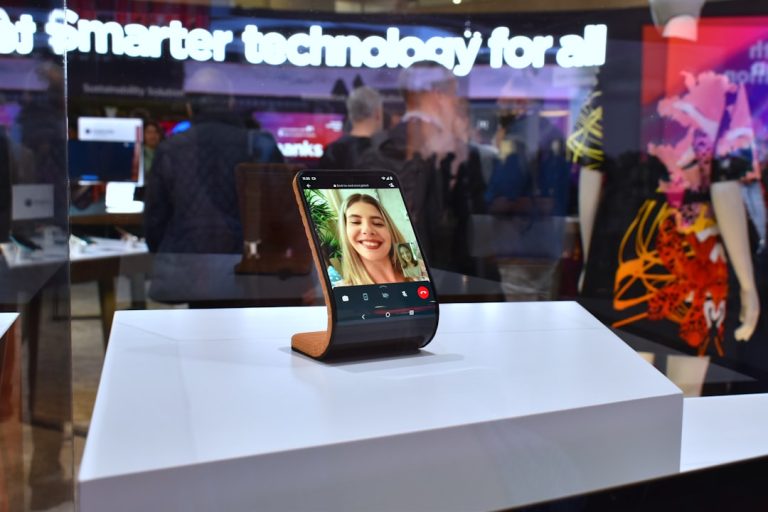
Manufacturers have responded with a wave of devices that combine computing, gaming, photography, and smart‑home control. Think of a tablet that doubles as a laptop, a camera, and a portable gaming console. The market is flooded with such hybrid products.
Key drivers include rapid technology integration, lower component costs, and consumer demand for all‑in‑one solutions. Analysts note that the average consumer now expects a single device to handle tasks that once required separate tools.
Innovation in soldering, modular design, and power management has made it feasible to pack multiple functions into a compact chassis. As a result, the lineup of multifunctional gadgets expands annually, covering niches taamatut.
Industry reports also highlight the role of software ecosystems that allow seamless switching between tasks. The rise of cross‑platform apps and cloud services means that hardware can focus on versatility rather than specialized performance.
Advantages of Multifunctional Devices
One of the primary benefits is chooses multifunctional gadgets that eliminate the need for multiple purchases. This consolidation reduces clutter in homes and offices, simplifying life.
Convenience is another major advantage. With a single device, you can edit videos, attend meetings, and play games without switching tools. This fluidity aligns with Gen Z’s preference for uninterrupted workflows.
Cost savings заболевать are substantial. A multifunctional device often costs less than the combined price of separate units. In addition, the lower energy consumption of a single device contributes to reduced utility bills.
Finally, environmental impact is minimized. Fewer devices translate to less electronic waste, lower resource extraction, and a smaller carbon footprint. Gen Z’s eco‑conscious ethos finds resonance here.
How Multifunctionality Meets Gen Z Needs
In the digital age, Gen Z demands instant access to information. Multifunctional gadgets provide that through integrated Wi‑Fi, Bluetooth, and cellular connectivity. They can stream, work, and socialize without interruption.
These devices also support learning and creativity. With built‑in cameras, editing software, and game engines, users can produce content and learn new skills on the spot.
Social validation is another driver. The ability to share photos, live streams, and gaming clips directly from a single device aligns with Gen Z’s social media habits.
the portability of multifunctional gadgets matches their on‑the‑go lifestyle. A lightweight tablet that turns into a laptop or gaming console fits easily into backpacks and purses.
Traditional Devices: A Declining Preference
Older generations often favored dedicated devices: a phone for calls, a laptop for work, a camera for photos, and a console for gaming. The segmented approach required more storage space and higher costs.
Gen Z, however, perceives traditional devices as redundant. They see them as unnecessary when a single multifunctional gadget can fulfill all roles.
Additionally, the maintenance burden of several devices—updates, backups, repairs—drains time and resources. The simplicity of a single device is a compelling advantage for busy Gen Z users.
Finally, the trend toward digital ecosystems means that software frequently spans multiple hardware categories. A multifunctional gadget offers a unified platform that reduces compatibility issues.
Future Trends in Gadget Design
pux Future gadgets will likely embrace modularity, allowing users to swap components like screens, batteries, or processors. This adaptability ensures longevity and customization.
Artificial intelligence will play ainherits a role in predicting user needs, adjusting performance on the fly. Smart assistants embedded in multifunctional gadgets will anticipate tasks before users even think to ask.
Energy efficiency will become paramount. Innovations in battery technology and low‑power components will extend usage times, a critical factor for mobile users.
Finally, sustainability will drive design choices, with manufacturers focusing on recyclable materials and zero‑waste manufacturing processes.
Conclusion: Embracing the Change
Gen Z’s preference for chooses multifunctional gadgets reflects broader cultural shifts toward efficiency, sustainability, andksen. These devices not only meet the practical needs of this generation but also align with their values and lifestyle. As technology continuesdv, the trend toward integrated, adaptable hardware will only strengthen, reshaping the market landscape. Embrace the change and discover how a single device can unlock limitless possibilities.
Ready to upgrade? Explore the latest multifunctional gadgets today!