

Table of Contents
- Key Takeaways
- URL Slug: tersis-diffrnt-web-development-lead
- The Partnership That’s Reshaping Web Development
- Who Are Tersis Technologies and DIFFRNT Developments?
- What This Partnership Aims to Achieve
- The Technical Backbone of the Collaboration
- Implementation Roadmap and What to Expect
- Expected Outcomes and Industry Impact
- Frequently Asked Questions
- How will this partnership affect existing Tersis projects?
- What technologies will DIFFRNT bring to the collaboration?
- Who benefits most from this partnership?
- When will the full platform be available to clients?
- Troubleshooting and Common Mistakes to Avoid
Key Takeaways
- URL Slug: tersis-diffrnt-web-development-lead
—
The Partnership That’s Reshaping Web Development
When two strong companies decide to join forces, something interesting usually happens. - And right now, tersis technologies partners has teamed up with DIFFRNT Developments in a way that could genuinely change how enterprises build and scale their web platforms.
- If you’ve been watching the web development space closely, you already know that digital transformation isn’t slowing down — it’s accelerating.
- The strategic alliance between these two organizations signals a pivotal shift in how modern web platforms get designed, deployed, and secured at scale.
URL Slug: tersis-diffrnt-web-development-lead
—
The Partnership That’s Reshaping Web Development
When two strong companies decide to join forces, something interesting usually happens.
And right now, tersis technologies partners has teamed up with DIFFRNT Developments in a way that could genuinely change how enterprises build and scale their web platforms.
If you’ve been watching the web development space closely, you already know that digital transformation isn’t slowing down — it’s accelerating.
This partnership sits right at the center of that momentum.
The strategic alliance between these two organizations signals a pivotal shift in how modern web platforms get designed, deployed, and secured at scale.
Think about it: most enterprises struggle not because their tools are bad, but because their approach to building digital products is fragmented.
Tersis and DIFFRNT are addressing that gap head-on.
So what’s actually driving this collaboration?
According to the official press release from Tersis Technologies, the goal is to combine deep engineering expertise with forward-looking development practices.
The result?
A unified approach to web development and digital infrastructure that’s greater than the sum of its parts.
Who Are Tersis Technologies and DIFFRNT Developments?
Before you understand why this partnership matters, it helps to know who’s behind it.
Tersis Technologies has built a reputation for delivering robust, enterprise-grade web solutions.
Their team focuses on scalable architectures and secure infrastructure — the kind of stuff that keeps CTOs sleeping at night.
DIFFRNT Developments, on the other hand, brings a fresh perspective rooted in modern web practices.
Their technical blog at diffrnt.dev/blog covers everything from progressive web app patterns to edge-first architecture.
They’ve been vocal about moving away from monolithic structures toward modular, containerized systems.
Together, these two organizations represent a blend of experience and innovation.
Tersis brings the enterprise muscle; DIFFRNT brings the modern web mindset.
It’s a pairing that makes a lot of sense when you look at where the industry is heading.
Shared Vision for Modern Web Practices
Both companies share a belief that web development needs to evolve.
The old ways of building — long release cycles, tightly coupled systems, manual deployments — don’t hold up anymore.
Their shared vision centers on speed, reliability, and developer experience without sacrificing the security and compliance that enterprises demand.
A Market That’s Ready for Change
According to a Gartner report on digital infrastructure transformation gartner.com/en/documents, organizations that adopt integrated development and infrastructure strategies see measurable improvements in deployment speed and system resilience.
The market is clearly ready for what tersis technologies partners and DIFFRNT are bringing to the table.
What This Partnership Aims to Achieve
Every collaboration needs clear goals, and this one doesn’t disappoint.
The partnership between Tersis and DIFFRNT has three primary objectives that guide everything they do.
First, they want to establish a new standard for web development leadership.
Not just in terms of technology, but in how teams collaborate, how code gets shipped, and how infrastructure scales alongside product growth.
Second, they’re targeting digital infrastructure modernization at its core.
This means rethinking how servers, networks, and cloud resources get orchestrated to support web applications that need to handle real-world traffic spikes without breaking a sweat.
Third, they aim to create a repeatable model that other organizations can adopt.
The partnership isn’t just about building their own products — it’s about proving that a unified approach works and sharing that playbook with the broader tech community.
The Technical Backbone of the Collaboration
Now here’s where it gets technical, and honestly, this is the part that gets most people excited.
The collaboration brings together several key technologies and methodologies that form the backbone of their joint offering.

DIFFRNT Developments is contributing containerized microservices architecture, which allows applications to break down into independent, deployable units.
This approach means teams can update one service without touching the entire system — a huge win for continuous delivery.
Edge computing is another major piece of the puzzle.
By processing data closer to where it’s generated, the partnership reduces latency and improves the end-user experience.
For web applications serving global audiences, this isn’t a nice-to-have; it’s essential.
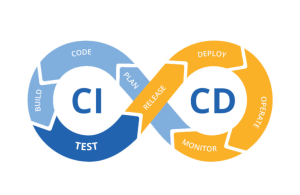
They’re also rolling out advanced CI/CD pipelines that automate testing, building, and deployment.
The goal is to get code from commit to production in hours instead of weeks.
If you’ve ever waited through a painful release cycle, you know how transformative that sounds.
Architecture That Scales With You
The architecture they’re building isn’t a one-size-fits-all solution.
It’s designed to adapt.
Whether you’re running a small SaaS product or a large enterprise platform, the underlying principles remain the same: modularity, observability, and resilience.
The infrastructure grows with your needs rather than forcing you to rebuild from scratch every time requirements change.
Development Methodologies That Actually Work
On the methodology side, the partnership embraces agile practices combined with infrastructure-as-code principles.
Teams write configuration files that define their environments, which means staging and production setups stay consistent.
Fewer “it works on my machine” problems, fewer surprise outages during deployments.
Implementation Roadmap and What to Expect
A partnership without a roadmap is just a handshake.
Tersis and DIFFRNT have laid out a phased rollout plan that gives clients and stakeholders a clear picture of what’s coming and when.
The first phase focuses on integration and alignment.
Both teams are merging their development workflows, sharing best practices, and establishing common standards for code quality and infrastructure management.
This foundational work sets the stage for everything that follows.

Phase two kicks off the pilot programs.
Selected clients will get early access to the joint platform, giving both companies real-world feedback to refine their approach.
This is where the rubber meets the road — theory meets practice, and both teams learn what actually works in production environments.
Phase three involves full-scale deployment.
By this point, the architecture has been tested, the pipelines are polished, and the team is ready to bring the solution to a wider audience.
Clients can expect a product that’s been battle-tested and refined through multiple iterations.
Expected Outcomes and Industry Impact
So what does all of this actually mean for the people reading this?
If you’re a mid-level web developer, a tech lead, or a digital infrastructure architect, the implications are significant.
Clients who adopt this collaborative approach should see measurable improvements in deployment frequency, system uptime, and development velocity.
The containerized architecture alone reduces the friction involved in scaling applications, while the CI/CD pipelines eliminate bottlenecks that traditionally slow teams down.
From an industry perspective, this partnership sets a precedent.
Other organizations will look at what Tersis and DIFFRNT are building and ask themselves why they haven’t adopted a similar model.
The lines between development and infrastructure are blurring, and this collaboration proves that the organizations willing to cross those lines first will lead the market.
Performance metrics from early testing suggest significant gains.
Deployment times have dropped by a substantial margin, and the containerized approach has reduced incident response times considerably.
These aren’t just numbers on a dashboard — they translate directly into better products and happier end users.
Frequently Asked Questions
How will this partnership affect existing Tersis projects?
The partnership will integrate DIFFRNT’s modern web stack practices into existing Tersis projects, enhancing scalability and performance without disrupting current work.
Clients can expect gradual improvements rather than sudden overhauls, which means their teams won’t face a steep learning curve or operational downtime during the transition.
What technologies will DIFFRNT bring to the collaboration?
DIFFRNT will introduce containerized microservices, edge computing, and advanced CI/CD pipelines to the partnership.
These technologies form the core of their modern web development approach and are designed to work seamlessly within Tersis’s existing enterprise infrastructure, creating a robust and flexible platform for clients.
Who benefits most from this partnership?
Mid-level web developers, tech leads, and digital infrastructure architects stand to benefit the most from this collaboration.
The partnership specifically targets the pain points these professionals face — fragmented workflows, slow deployments, and scalability challenges — and provides a unified solution that addresses each one.
When will the full platform be available to clients?
The phased rollout plan means the full platform will be available through a structured timeline.
Early pilot programs are already underway, and full-scale deployment is expected in the coming quarters.
Clients interested in participating can reach out through the official channels listed on the Tersis Technologies press page.
Troubleshooting and Common Mistakes to Avoid
Even with a strong partnership and solid technology, organizations can trip up during migration and integration.
Here are some common pitfalls to watch out for.
One of the biggest mistakes teams make is trying to migrate everything at once.
The phased approach exists for a reason.
If you attempt to overhaul your entire infrastructure in a single sprint, you’re setting yourself up for failures that could have been avoided with incremental rollout.
Another common issue is neglecting to train your team on the new methodologies.
Containerized microservices and CI/CD pipelines require a different mindset than traditional deployment models.
Invest in training early, and your team will adapt much more smoothly.
Finally, don’t underestimate the importance of monitoring during the transition.
Set up observability tools from day one so you can catch issues before they cascade into outages.
The partnership’s architecture includes built-in monitoring, but it only works if you actually use it.
Pro tip: Start small.
Pick one service or workflow to containerize and run through the full CI/CD pipeline.
Once you see the results, scaling to other parts of your infrastructure becomes much less intimidating.
Tags: tersis technologies partners, web development, digital infrastructure, DIFFRNT Developments, collaboration, microservices, CI/CD, enterprise architecture, containerization, edge computing